Home

Latest News


LA STAMPA - Appello per le oasi che stanno morendo


Link


Comunicato stampa sullo svuotamento del bacino di Portland, Orgeon


Click Here


Click Here


Click Here


LA STAMPA - Appello per le oasi che stanno morendo


Link


Comunicato stampa sullo svuotamento del bacino di Portland, Orgeon


Click Here


Click Here


Click Here


LA STAMPA - Appello per le oasi che stanno morendo


Link


Comunicato stampa sullo svuotamento del bacino di Portland, Orgeon


Click Here


Click Here


Click Here


LA STAMPA - Appello per le oasi che stanno morendo


Link


Comunicato stampa sullo svuotamento del bacino di Portland, Orgeon


Click Here


Click Here


Click Here


LA STAMPA - Appello per le oasi che stanno morendo


Link


Comunicato stampa sullo svuotamento del bacino di Portland, Orgeon


Click Here


Click Here


Click Here


LA STAMPA - Appello per le oasi che stanno morendo


Link


Comunicato stampa sullo svuotamento del bacino di Portland, Orgeon


Click Here


Click Here


Click Here


LA STAMPA - Appello per le oasi che stanno morendo


Link


Comunicato stampa sullo svuotamento del bacino di Portland, Orgeon


Click Here


Click Here


Click Here


LA STAMPA - Appello per le oasi che stanno morendo


Link


Comunicato stampa sullo svuotamento del bacino di Portland, Orgeon


Click Here


Click Here


Click Here


LA STAMPA - Appello per le oasi che stanno morendo


Link


Comunicato stampa sullo svuotamento del bacino di Portland, Orgeon


Click Here


Click Here


Click Here


LA STAMPA - Appello per le oasi che stanno morendo


Link


Comunicato stampa sullo svuotamento del bacino di Portland, Orgeon


Click Here


Click Here


Click Here


LA STAMPA - Appello per le oasi che stanno morendo


Link


Comunicato stampa sullo svuotamento del bacino di Portland, Orgeon


Click Here


Click Here


Click Here


LA STAMPA - Appello per le oasi che stanno morendo


Link


Comunicato stampa sullo svuotamento del bacino di Portland, Orgeon


Click Here


Click Here


Click Here


LA STAMPA - Appello per le oasi che stanno morendo


Link


Comunicato stampa sullo svuotamento del bacino di Portland, Orgeon


Click Here


Click Here


Click Here


LA STAMPA - Appello per le oasi che stanno morendo


Link


Comunicato stampa sullo svuotamento del bacino di Portland, Orgeon


Click Here


Click Here


Click Here


LA STAMPA - Appello per le oasi che stanno morendo


Link


Comunicato stampa sullo svuotamento del bacino di Portland, Orgeon


Click Here


Click Here


Click Here


LA STAMPA - Appello per le oasi che stanno morendo


Link


Comunicato stampa sullo svuotamento del bacino di Portland, Orgeon


Click Here


Click Here


Click Here

Archita, Romania, Il principe Carlo d' Inghilterra incontra Pietro Laureano PDF Print E-mail
Written by Administrator   
Tuesday, 26 July 2011 08:38
There are no translations available.


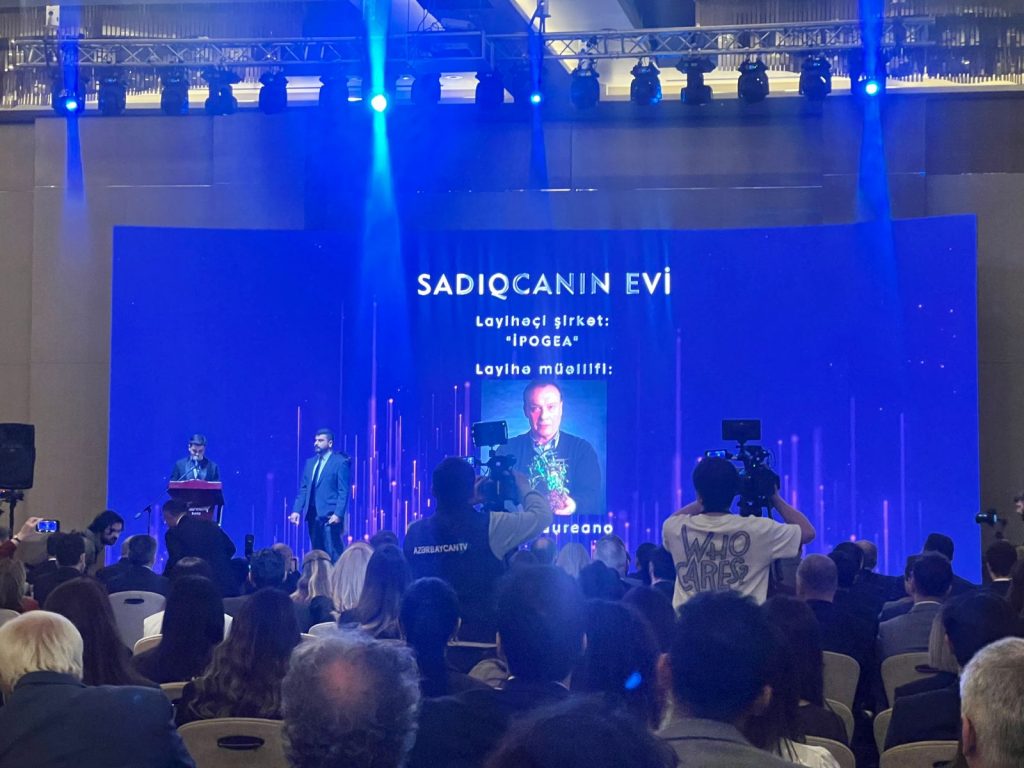
"Il 16 Maggio si è tenuto ad Archita, Romania, un importante incontro per la Banca Mondiale delle Conoscenze Tradizionalil (Traditional Knowledge World Bank - TKWB), di cui sono stati partecipi: Pietro Laureano, amministratore unico di Ipogea; il principe Carlo d'Inghilterra; Elizabeth Tsakiroglou e Michael Carrington, Katherine and Dan Dimancescu rispettivamente Presidente, Direttore Generale e sostenitori della "The Maria Nobrega Foundation". Dopo aver visitato il villaggio, si è svolto il pranzo di lavoro in cui sono state poste le basi per istituire la sede della TKWB in Romania."


Laureano presenta al Principe il suo libro "Atlante d'Acqua"


Last Updated on Sunday, 31 July 2011 08:14
Read more...
 
2009-2011 - O.A.S.I.project PDF Print E-mail
There are no translations available.


Project O.A.S.I. , Ksar Amguid, Adrar :
Using the Foggara System to Irrigate Algerian Oases

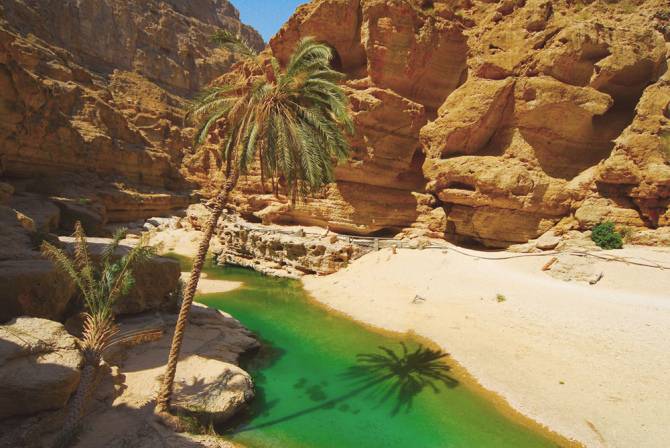
Algeria’s Saharan oases illustrate marvelously how humans have managed to survive under hostile conditions. Down through the centuries an effective and sustainable irrigation system has been put in place that enables the inhabitants of the oases to live under the conditions of extreme aridity by respecting the special properties of these unstable ecosystems. Over the last few years, however, the Saharan oases have seen substantial demographic growth and increasingly intense agricultural production.

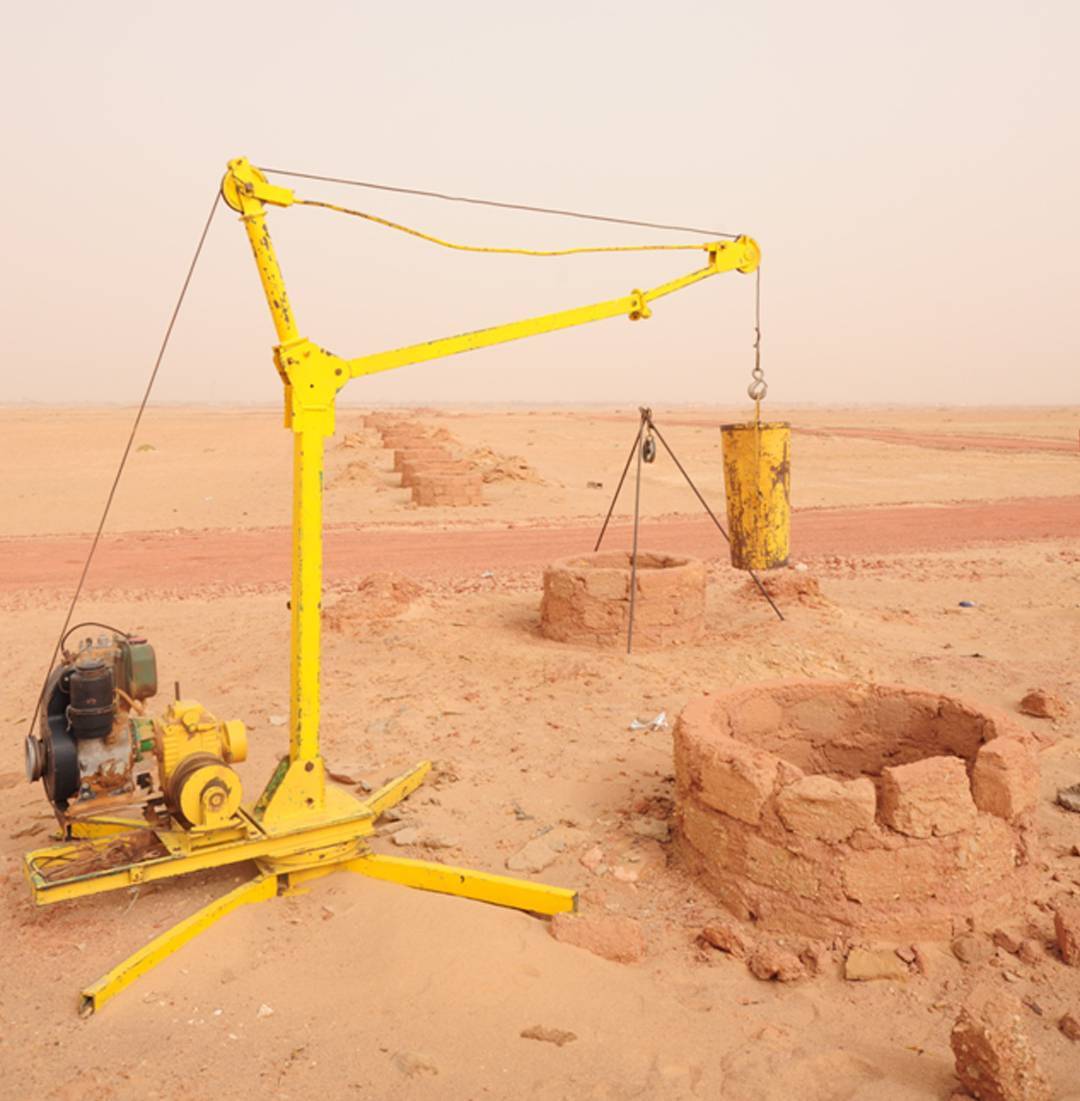
The inhabitants of the oases have tended to forget the traditional knowledge of this particularly fragile environment, principally as it concerns water resources. Modern methods of pumping groundwater, in particular, dry up the water table in an irreversible manner. This is why the restoration of the foggaras, traditional irrigation systems, is foreseen for the oasis of Touat, in southeastern Algeria.


Last Updated on Tuesday, 26 July 2011 09:55
Read more...
 
2009 - Lalibela PDF Print E-mail
Written by Administrator   
Wednesday, 01 June 2011 10:20

Combating Desertification Through Traditional Knowledge:
Two Pilot Projects in Lalibela


The Site of Lalibela

Lalibela is one of the most remarkable hypogean monuments in the world. It is universally celebrated for its highly decorated monolithic churches hewn out of basaltic rock. The most imposing monuments date from twelfth and thirteenth centuries, when King Lalibela, from whom the city takes its name, called for it to be hewn out of the rock in the image of a Celestial Jerusalem.

As it was hitherto unclear how such vast hypogean systems could be made in such a short period of time, religious tradition came to attribute the feat to divine intervention.

In the framework of a joint UNESCO, UNCCD and WMF project, Ipogea undertook a comparative study of rock-hewn building types and an analysis of water catchment and drainage systems, and reconstructed the long-term history of the city of Lalibela from the remote troglodyte past through the hypogean period to the Axumite and the medieval, in which most building consisted of reworking earlier structures.

Architect Pietro Laureano declared:

“The monuments of Lalibela are just the visible part of a complex architectural and environmental system to which they are closely connected. The network of trenches and channels for conveying water, and the sunken courts where the churches of Lalibela are found, constitute a whole that, only if confronted in its

totality, will enable one to respond to the factors that are causing its deterioration.”

Water drainage and harvesting systems

The erosion of these monuments has been contrasted using traditional methods, first of all by identifying and cleaning an ancient trench that had been abandoned and blocked by tons of debris. Restoration work therefore has not been limited to the twelfth- and thirteenth-century monuments on the UNESCO World Heritage List: the excavations aimed at restoring the old water system have also served to drain excess water and to turn it to irrigation. This water is collected in the trench and stored in an open cistern built in a spot where traces of old walls have been found. Here the present inhabitants of the village, which is intermixed with the ancient ruins, have returned to draw the water they need, as they had done centuries ago.

The Cleaning Work of the Trenches
This  trench  was cleaned by Ipogea under the UNESCO project because it was filled with debris and appeared to have no drainage capacity. Once the cleanup was completed, it became clear that the trench was inclined to the north, permitting the water to drain into the main waterway, called the River Joerdan. Today local people can fetch the water collected in the western trench.

The UNESCO project yielded significant results. These actions should be extended to all the drainage trenches and tunnels.

The monuments of Lalibela are in danger because the work of draining, channeling and otherwise protecting them from water, has ceased over time. The churches exist together with their overall ecosystem; if the latter is not protected, they run the risk of vanishing forever.


The restoration of ancient techniques for catching and holding water has revitalized the ancient site of Lalibela, Ethiopia, a UNESCO World Heritage property.

The discovery and cleaning of a trench that had been abandoned for hundreds of years, and the retrieval of a large cistern, have brought villagers to draw water once again in the center of this remarkable African

archeological site, thanks to a joint UNESCO, UNCCD and WMF project.


The Rescue of Lalibela Primary School: a restoration of the hillside using traditional knowledge to stem the erosion, secure the area and restore its environmental properties.

The Slope Degraded by Erosion
The geological and geomorphological survey conducted on the hillside in front of the Lalibela Primary School showed a general deterioration of areas exposed to the northeast and northwest. This phenomenon was due to a lack of regimentation of surface water and to a shallow sliding of land in areas having a western exposure. This in turn was due to erosion at the foot of the slope, which caused niches of detached soil to deepen.

The Terraces
To stem the erosion, secure the area and restore its environmental properties, the hillside has been restored using traditional terraces that break the gradient of the slope. These terraces have been replanted with original species typical of the region, such as junipers, pines and sycamores. The vegetation is now luxuriant.

Conclusion
The project has permitted the rescue of a school in the new part of the village, which was destined to slip because of the deforestation of the slopes on which it stands. The Ipogea team and local staff have introduced thousands of plants indigenous to the area, reinforcing the slope and effectively creating a small forest well suited to the extreme climate of the Ethiopian highlands.

Last Updated on Sunday, 31 July 2011 13:15
Read more...


Links

IPOGEA_BROCHURE
TKWB interactive demo
PIETRO LAUREANO WEB SITE TRADITIONAL INVENTORY based form WATER ATLAS
ITKNET WEB SITE
WATER DECALOG
Banner